Reading Primary Scientific Literature
There are different ways of communicating science: Dance Your Thesis
Perhaps the most direct are primary research articles.
Elements of a scientific paper

A workflow for reading papers
Breaking down the steps of reading primary scientitif literature
From Jennifer Raff's blog post: How to Read and Understand a Scientific Paper


Working through the workflow..

Working through a paper
A general bio data science paper: A saturated map of common genetic vairants associated with human height
Step 1. Read the INTRODUCTION
- have to skip over the abstract even though it is the first thing presented and (sometimes) the only free section
- write down every word you do not know or is confusing in its context
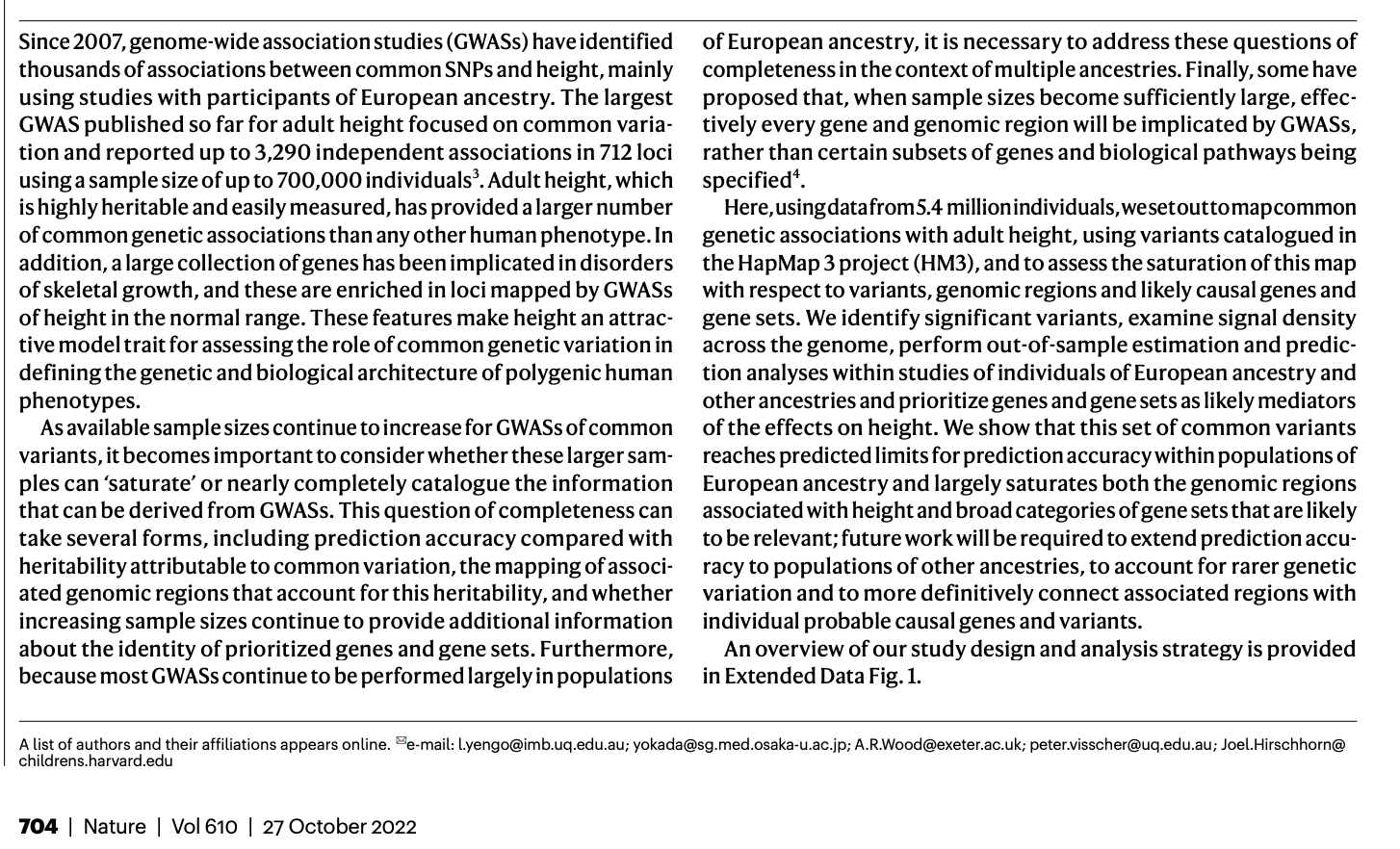
Step 2. Identify the BIG question
- circle sentences from the introduction
- succinctly re-write what question this paper is trying to answer or problem is it trying to solve
- focus on why the research is being done
- be wary of agenda-motivated research
Step 3. Summarize in the background in < 6 sentences
- what work has been done in the field already?
- what knowledge gaps or limitations remain?
- according to the authors, what should be done next to address these?
Step 4. Identify the SPECIFIC question(s)
- what question exactly are the authors trying to answer?
- are the multiple questions or just one?
- identify any null hypotheses being tested
Step 5. Identify the approach
- what are the authors going to do to answer the specific questions?
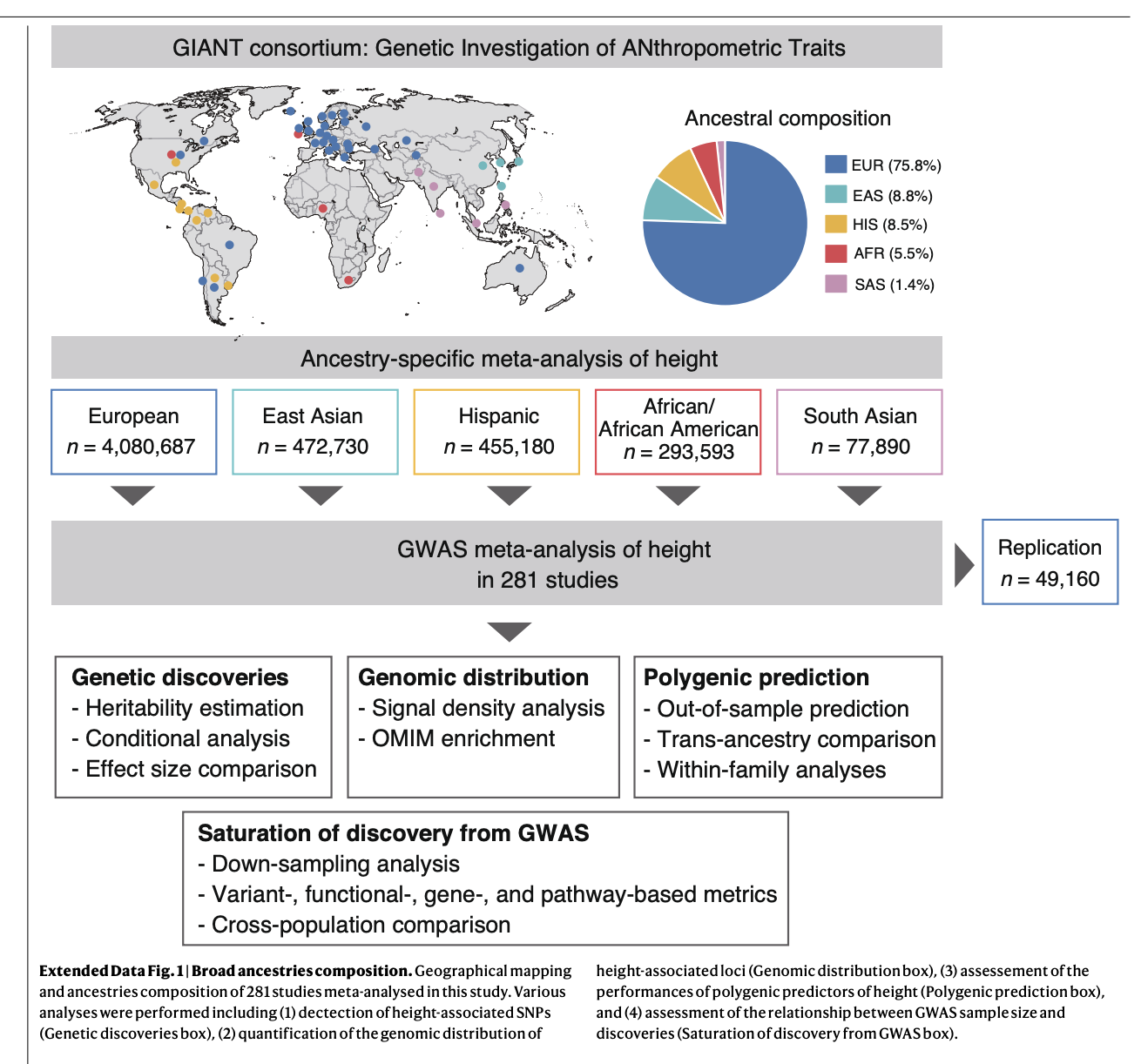
Step 6. Read the METHODS
- draw a diagram for each experiment
- write down methods you need to look-up to understand the results
- if it is a "methods paper", look for context with notes from the introduction
- note if any methods reference supplemental material (and where the main methods are...)
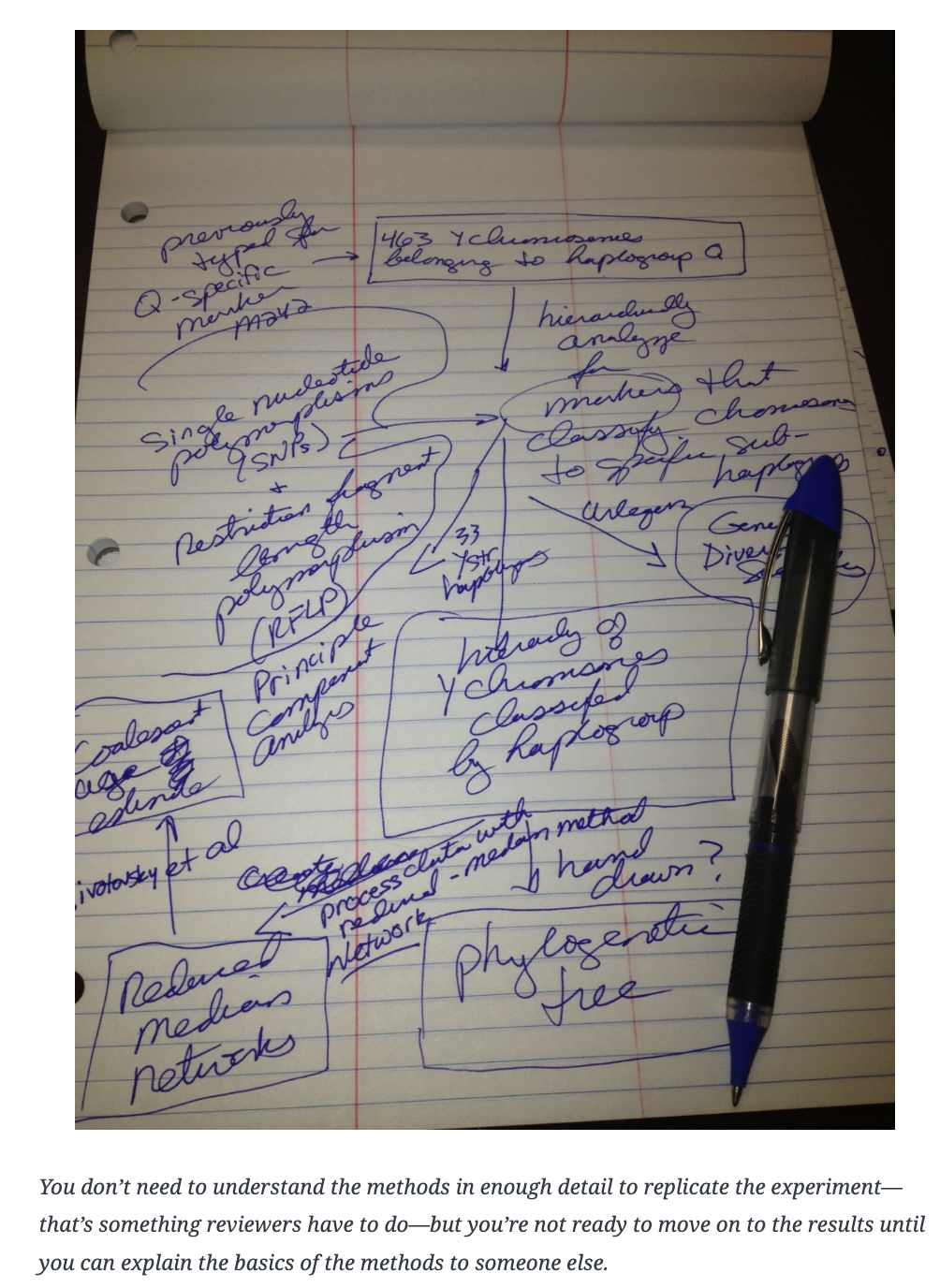
Step 7. Read the RESULTS
- write some paragraphs to summarize each paragraph, figure, table
- don't worry about what the results mean yet, just note what they are
- read figure and table legends carefully - the information in them may not be in the body of the text
- pay attention to the words "significant" and "non-significant" (stats)
- do graphs have error bars? Do they show the original data and sample size?
- check supplemental data, available at the end of the paper or online
Step 8. Determine whether the results answer the specific questions
- now re-read your notes and think about what the results may mean
- form an opinion before moving on - it is OK to change your opinion later
- note if any results are unexpected given what you noted in the introduction
Step 9. Read the DISCUSSION
- what do they authors think/say what the results mean?
- it is OK if your opnion is different
- can you think of any alternative explanations for the results?
- are any weakness or limitations noted? can you think of any (others)?
- what do the authors suggest as next steps and can you think of different ones?
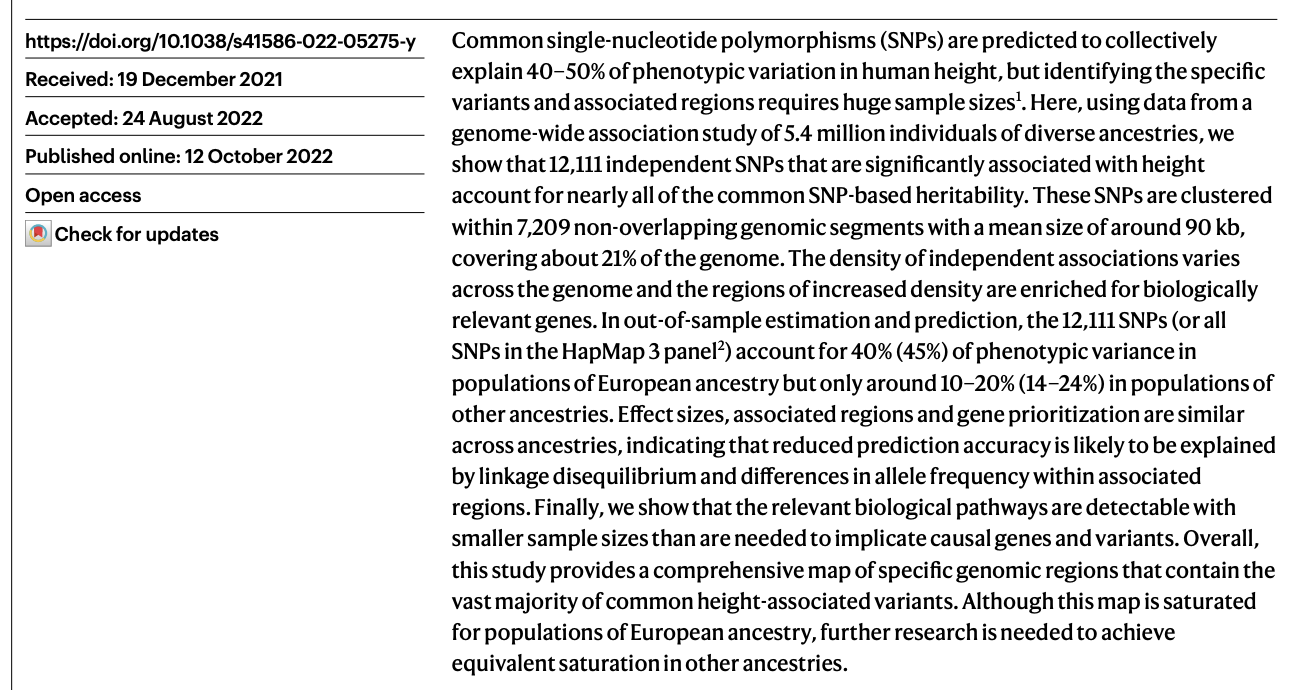
Step 11. Explore what other researchers say about the paper
- try and find experts in the fields and if they have commented
- are there any criticisims you had thought of, or new ones?
- check in any general publications have picked up the story
- find other papers that cite this one and what they say it says
- are the public reviews of the paper or its supporting grants
Open peer review: Peer review file
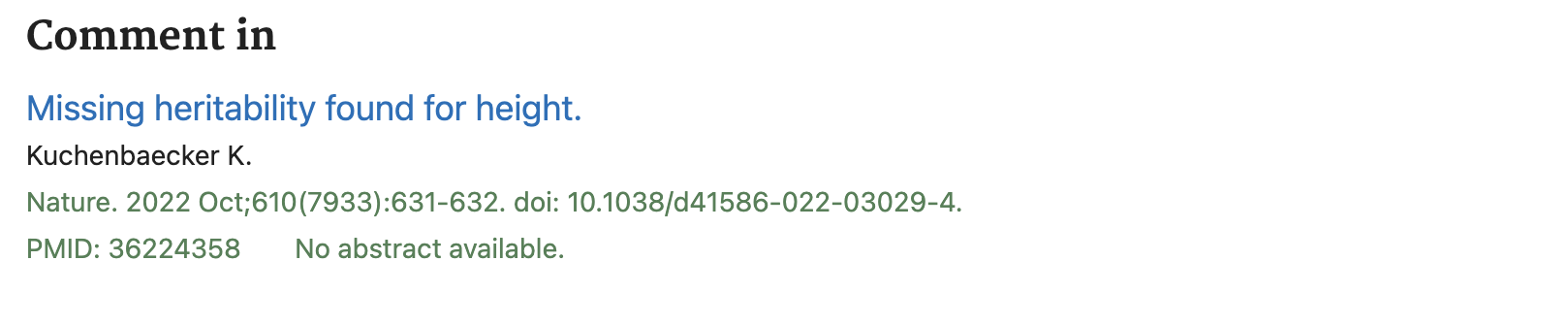
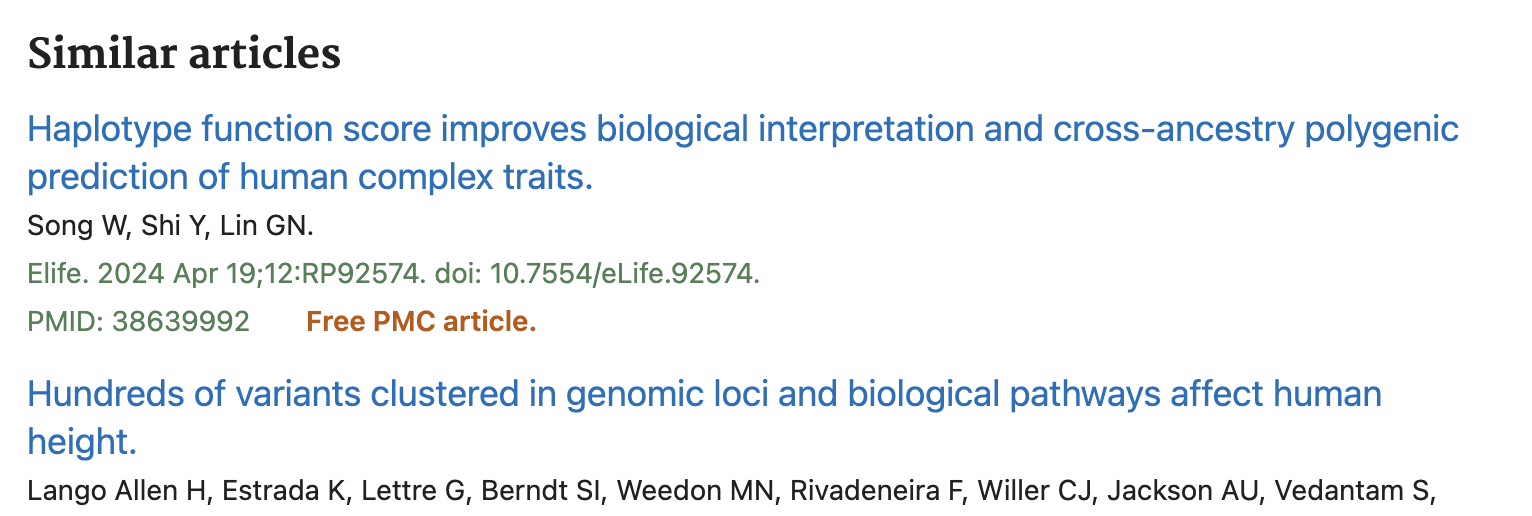
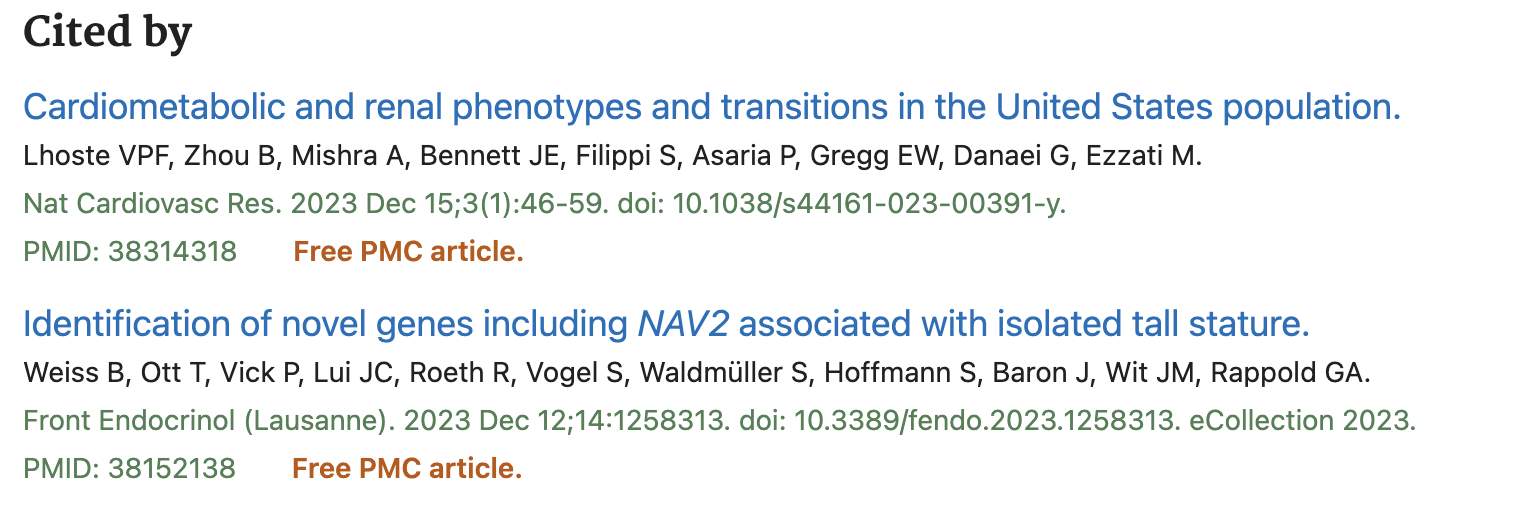

Step 12 cont.
A news release: Largest genome-wide association study ever uncovers nearly all genetic variants linked to height

Step 12. Take a break, then repeat as necessary
- this is a lot if information to take in, give it some time to consolidate
- experts in any field take multiple passesses to fully understand a paper
- on subsequent reads, re-use and mark-up your notes to build on them
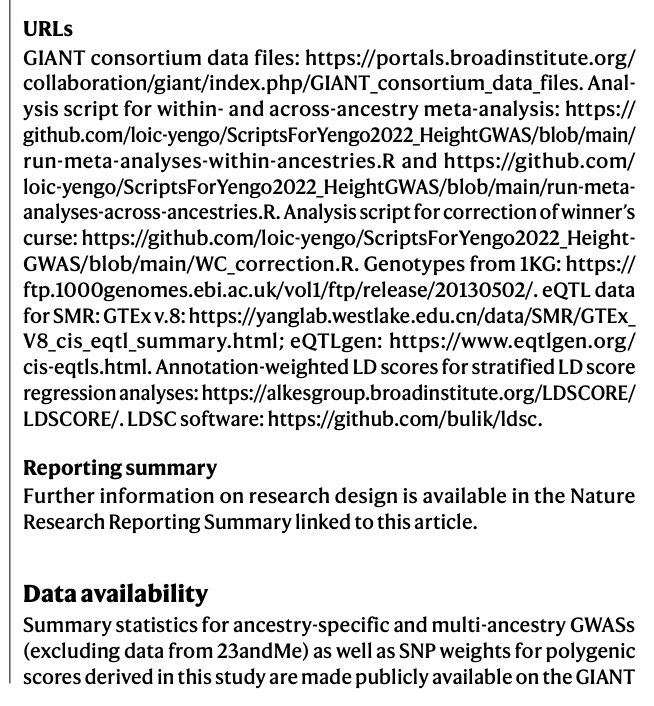
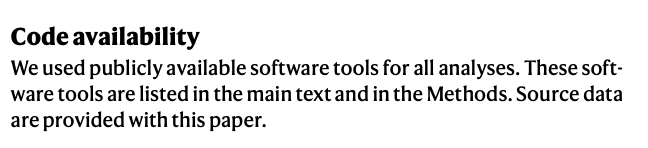
- data science papers often have (funding-mandated) data and code availability links
In Summary
Further resources
- Annotated papers: Science in the Classroom